Black Wednesday: The day speculators beat the Bank of England
In October 1990, the United Kingdom tied the pound sterling to the deutschmark in order to import German credibility and curb inflation, which had risen to 9.5%. By September 1992, less than two years later, Britain crashed out of the Exchange Rate Mechanism (ERM) and moved back to a freely floating exchange rate, but only after interest rates shot up and billions had been spent in a humiliating attempt at retaining stability. Why did the UK join the ERM, and why did it fail so spectacularly on Black Wednesday?
Thatcher’s government had been persuaded to join the ERM principally by her Chancellor, John Major, a europhile who sought the economic benefits of the wider European monetary system. Major argued that Britain would benefit from greater market confidence and exchange rate stability, as well as preparing for deeper integration into what would later become the European Monetary and Economic Union. The currency peg was set at 2.95 deutschmarks per pound, and the UK entered into the Exchange Rate Mechanism on 8 October 1990.
The Bank of England lost £3.4 billion attempting to support the value of the pound through selling foreign currencies to buy pounds
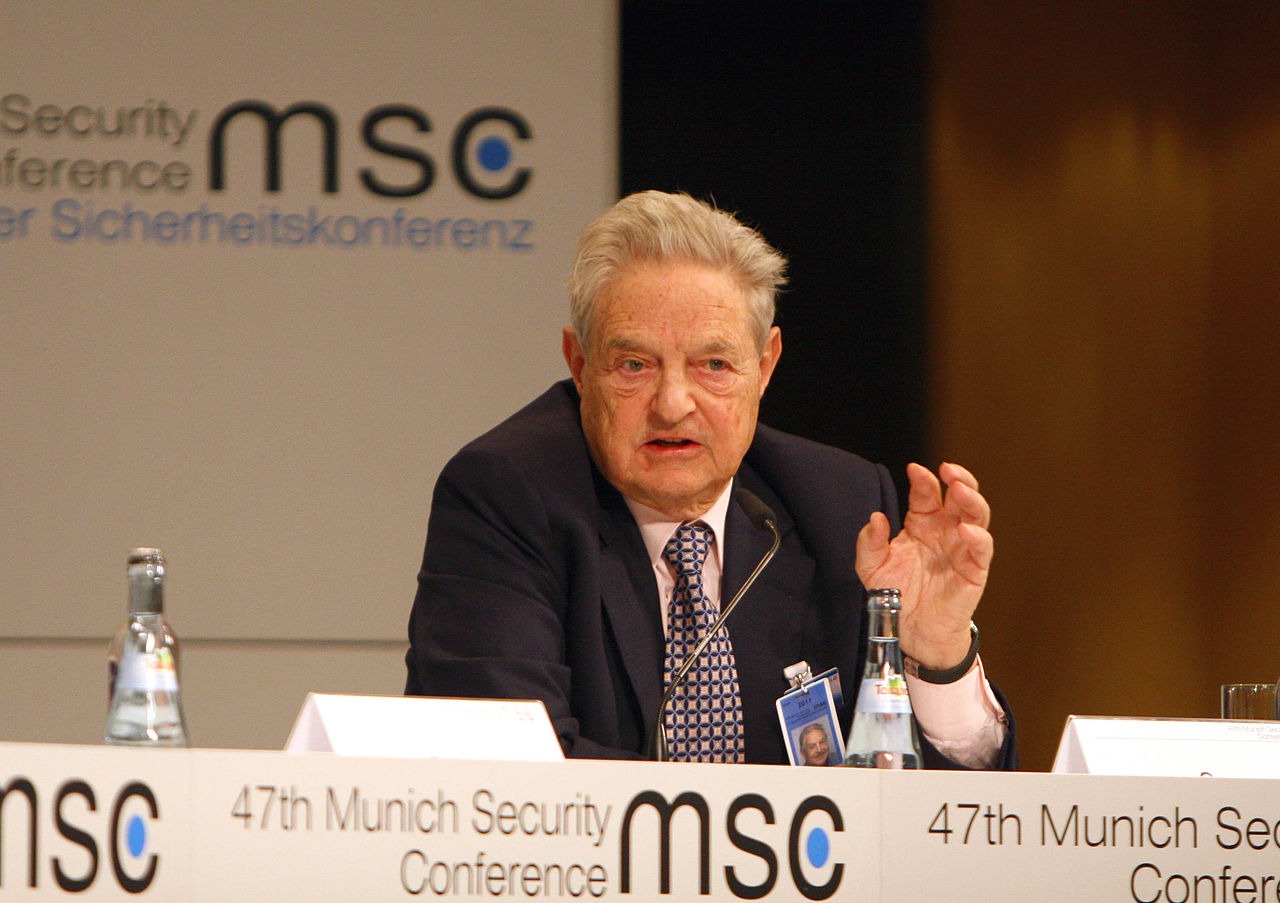
In the build-up to 16 September 1992, concerns were growing among investors that the pound was fixed too high and that the government would be forced to intervene and devalue the currency. Speculators led by George Soros’s Quantum Fund bet against the pound by borrowing sterling, selling it, and then buying again when the price (exchange rate) fell. By 11 am, the government announced an increase in interest rates from 10% to 12% and then a few hours later, all the way to 15% – the largest rise in a single day. The Bank of England lost £3.4 billion attempting to support the value of the pound through selling foreign currencies to buy pounds, while Soros personally made over £1 billion from his speculation. By 7:40 pm, John Major and his Chancellor, Norman Lamont, agreed that no more could be done and announced that Britain was withdrawing from the ERM.
Though Black Wednesday itself caused significant economic turbulence, the British economy did experience a recovery after the exit from the ERM. The devaluation of sterling from its arbitrarily high exchange rate boosted exports by increasing competitiveness with the rest of the world. Meanwhile, the government was now granted a greater degree of flexibility in monetary policy. Rather than being forced to set interest rates high to support the currency peg, they were cut down to 7%, stimulating the economy further and contributing to a period of significant growth.
The immediate impact of Black Wednesday was both political and economic. Major’s failure to keep the pound in the ERM, which he was so committed to, led to a loss of public confidence in his government. Support for the Conservatives slumped, and Major went on to lose the 1997 election to Labour’s Tony Blair by a landslide, with a lack of economic credibility a key factor in his defeat.
Black Wednesday was a currency crisis caused by poor policy, which cost billions of pounds and enriched speculators
Black Wednesday also contributed to the long process culminating in Brexit by fuelling the growth of euroscepticism. Britain’s exit from the ERM promoted the view, particularly within the Conservative Party, that Britain was better off outside the growing institutions of the European Community. The government’s failure emboldened Tory rebels against the Maastricht Treaty in 1993, a significant show of force by MPs opposed to British integration into Europe and a model for later rebellions led by figures such as Michael Gove and Boris Johnson in the build-up to Brexit.
Exit from the ERM had many other, perhaps less obvious, effects. The return of sovereign control of monetary policy allowed the British government to implement a policy of ‘inflation targeting’, setting a target level of inflation and committing to use interest rates to meet that target. This was effective in producing lower, more stable inflation and laid the intellectual foundations for the Bank of England’s independence, which further increased confidence and lowered inflation expectations in the British economy.
On one hand, Black Wednesday was a currency crisis caused by poor policy, which cost billions of pounds and enriched speculators. On the other hand, it was a pivotal moment in British economic and political history, contributing to the change of government, monetary policy transformation, and realignment of British relations with Europe.
Comments