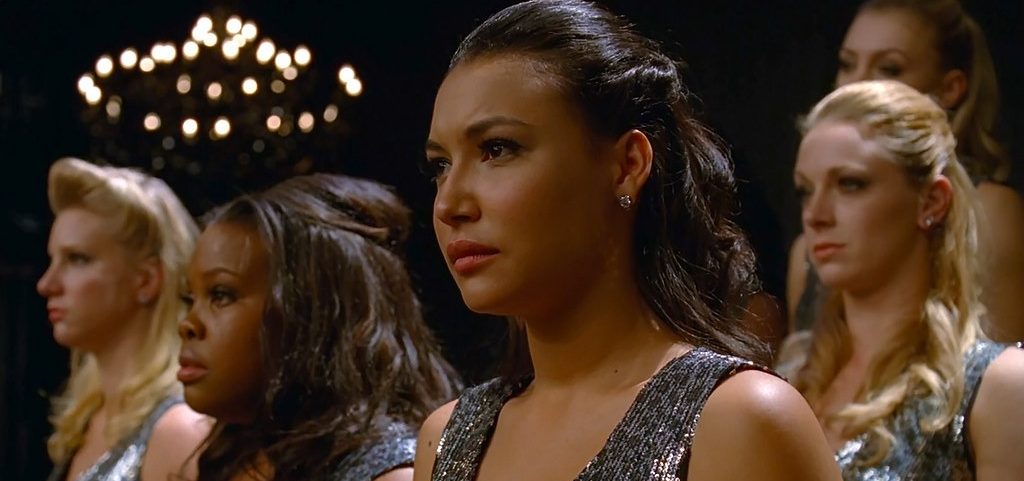
Why we are still singing about Glee
When Glee first premiered in 2009, it did not look like the kind of show destined to become a generational phenomenon. A musical comedy about the failings of a high school show choir sounded niche and confusing; what was it trying to give audiences? Yet, by its second season, Glee had become one of the most talked about, and arguably most polarising programmes on television. It soon became one of the UK’s most popular multichannel shows, selling out live shows in places such as Madison Square Garden, and renewing for seasons two and three after just four episodes. It spun classic pop into covers that topped the charts, launching careers, fuelling debates, and gathering a devoted community of viewers who saw themselves reflected on screen for the first time.
More than a decade after its finale, the show’s shadow stretches across pop culture, with teen dramas referencing it, memes resurrecting its most chaotic and controversial moments (namely Mr Schue’s questionable actions), and a new wave of young viewers binge-watching it for the first time. So why does Glee still matter in 2025?
In an age where TV is dominated by pristine streaming dramas, Glee’s comforting messiness feels almost radical. The show was overtly emotional, with characters bursting into song to articulate their feelings, conflicts resolved through mashups, and plotlines ending with reaffirmed friendships and moral messages. For many young people, especially LGBTQIA+ teens, young adults of colour, and those who felt socially sidelined, the sincerity of the show created a safe and warm environment. Despite the earnestness of the show being mocked in its original run, it now feels refreshing in a media landscape shaped by irony and detachment. Watching Glee feels like a return to a cultural moment before TV felt filtered and hyper-self-aware.
The show confronted issues seldom discussed in teenage television
Its nostalgia cannot be understated. The use of music, its optimism, and the rise of social media during its air transports viewers to an era when fandoms felt communal rather than algorithmic. Revisiting Glee has become a form of comfort for viewers, reminding us of a more chaotic, yet strangely hopeful era of pop culture.
From nose jobs to coming-out arcs, disability representation, and teen pregnancy, the show confronted issues seldom discussed in teenage television. It offered visibility at a time when this was rare, even if it wasn’t always nuanced. Many storylines feel reductive through a modern lens, yet others remain surprisingly progressive. This complicated legacy is exactly what fuels its longevity; audiences today are fluent in media critique, eager to dissect what worked, what didn’t, and why it mattered. Glee still provides an endless log of moments that invite enjoyment alongside debate and discussion.
At its core is a message that remains deeply relevant and clearly still needs emphasising today. A message that community can be built from so-called misfits, that creativity can be a lifeline – a sense of comfort and hope. Its characters were given a space to be melodramatic, flawed, overly ambitious, and deeply human. They failed publicly and often, yet they continued to sing in spite of the bullying and ridicule they faced, often from the infamous Sue Sylvester. In a time when young people face loneliness, political polarisation, and relentless social media comparison, the show’s insistence on belonging and its belief that talent and difference are sources of strength, provide a message that many modern shows seem to miss.
The world feels primed for a show that lets characters be flawed, expressive, and unapologetically proud
Television today is fragmented across platforms, niches, and audiences, making a cultural force like Glee difficult to replicate. Yet the type of show it was is arguably more viable than ever. Musicals are thriving on stage and online. TikTok is a culture built on amateur performance, creating a digital form of glee club where individuals dance, edit, and fuel fandom creativity. The continuous appetite for heartfelt musical storytelling is reflected in the resurgence of Hamilton in recent TikTok trends, emphasising the everlasting desire for musical self-expression. The ‘Glee Cast’ on Spotify is still enjoyed by 4.4 million monthly listeners, many of whom we would guiltily admit we have added to.
So, what is missing in 2025? Is it the combination of musical creativity, emotional sincerity, and messy, socially charged characters that made Glee so ingrained in our memories? Eager audiences today are likely to engage with a modernised version that has learnt from its missteps and engages thoughtfully with youth culture. In many ways, the world feels primed for a show that lets characters be flawed, expressive, and unapologetically proud again.
Glee was chaotic, imperfect, frustrating, groundbreaking, and profoundly human. This is why it refuses to fade, capturing a moment when optimism felt possible, and belonging felt urgent. For the millions who grew up with the show, it remains a reminder that even the most unlikely voices can harmonise. New generations discover it not out of irony, but out of a sincere desire for connection. Society still calls for the messages that Glee sang over 15 years ago.
Comments